
Harvard’s Arm in Arm, a grass-roots organization formed, according to its Facebook page, “to promote and to uphold a safe, inclusive, climate that values diversity and fosters respect,” has planned activities over the summer to bring people together in meaningful conversation. Four movies and a book will provide springboards for discussions that Arm in Arm hopes will broaden participants’ awareness, understanding, and appreciation of racial and cultural differences.
Linda Davis of Arm in Arm’s Education of Cultures Committee described the screening of four culturally diverse movies as part of the “ongoing effort to bring the community together and encourage people who might not typically have the opportunity to meet to get acquainted.” The movies, rated PG or PG-13, are free to the public and will be shown Monday nights, June 26, July 10, July 24, and Aug. 7 at 6:30 p.m. in Volunteers Hall at the library, with refreshments and discussion to follow the viewings. The committee invites people to sit down with their families and “have a great time watching stories unfold while also getting to know a little bit about another part of the world.”
Copyright restrictions prevent the committee from revealing the titles, but they have provided brief descriptions of the films to be shown. The first deals with struggles faced by the daughter of first-generation immigrants. She is trying to make it big in the world of sports, and her journey captures the gender stereotypes and derogatory mindsets she encounters on the way. The story unfolds against the backdrop of a culturally diverse family, but the moral is universal: Parents want the best for their children, but their children need to navigate the world of social and cultural expectations themselves, forging their own paths.
The second movie also deals with the struggles of first-generation immigrants trying to find their place in a foreign land and the biases they face as they try to integrate in an insular community. Here it’s the universal language of food that eventually creates understanding between these culturally diverse people.
The next two films are based on inspiring true stories. One is about a girl from the slums of Uganda who becomes a chess champion under the mentorship of her coach, who is facing his own struggles of having to choose between supporting his family and mentoring underprivileged children. The last of the series is set in the segregated America of the 1960s and shows how three women of color, all extraordinary mathematicians, overcame walls of prejudice and bias to help fulfill a national dream of getting a man on the moon.
A book for a town read
Another committee, Arm in Arm Reads, has chosen the book, “Waking Up White,” for the organization’s first town read, with conversations about the book scheduled for Thursday, July 13, and Thursday, Aug. 17, both in Volunteers Hall. For those wishing to purchase the book, some copies are available at Superintendent of Schools Linda Dwight’s office at Bromfield House, June 26 to June 30, for $10, cash only. The public library has two copies.
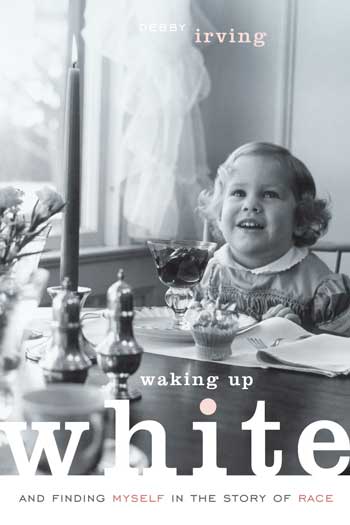
Committee member Sydney Blackwell explained the impetus behind the event: “For me, the appeal of a ‘town read’ is knowing that other people you meet at the Transfer Station, the post office, or the General may share the experience of reading the same book and the possibilities of conversation.” She described the book “Waking Up White” as being about the serious subject of racism while not being preachy or shaming. It is the experience of Debby Irving, a public school teacher in Cambridge, as she explores her own views about race, where they came from, and how to break the filter of race in connecting with others. She invites the reader to come along on her journey as she learns to be less uncomfortable with differences and to connect in new and genuine ways.
Speaking for Arm in Arm, Blackwell’s words about the book could extend to the movie series as well: “My hope is that the book will help our community listen and understand, gain skills, and lose discomfort so we can engage more effectively in the real world.”